
Understanding the Market for Maxi Dresses: B2B Insights on Fashion Trends
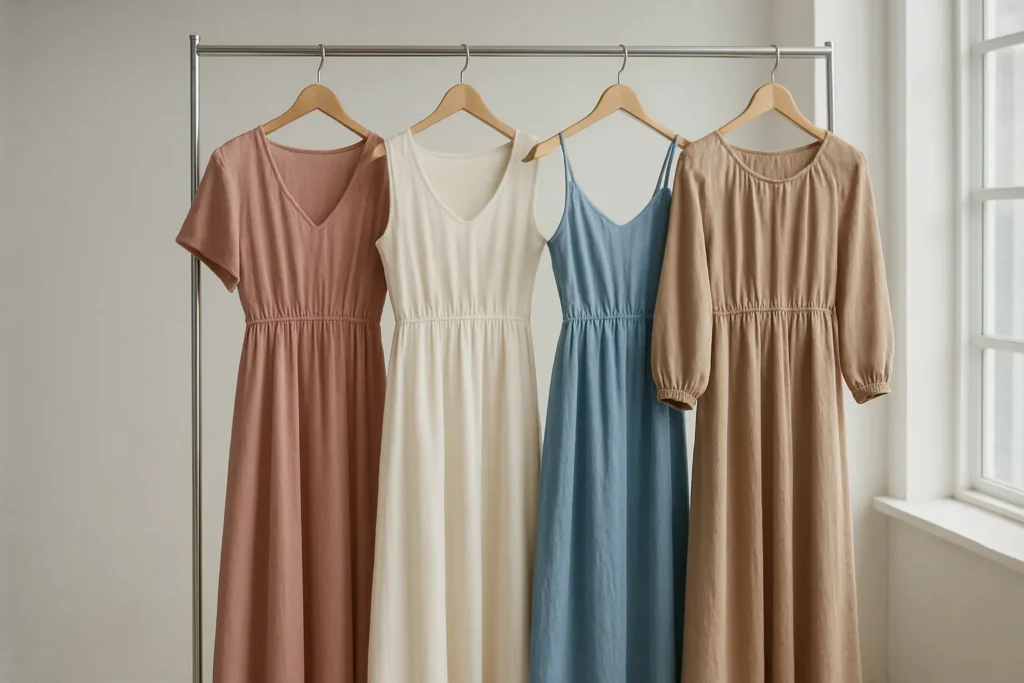
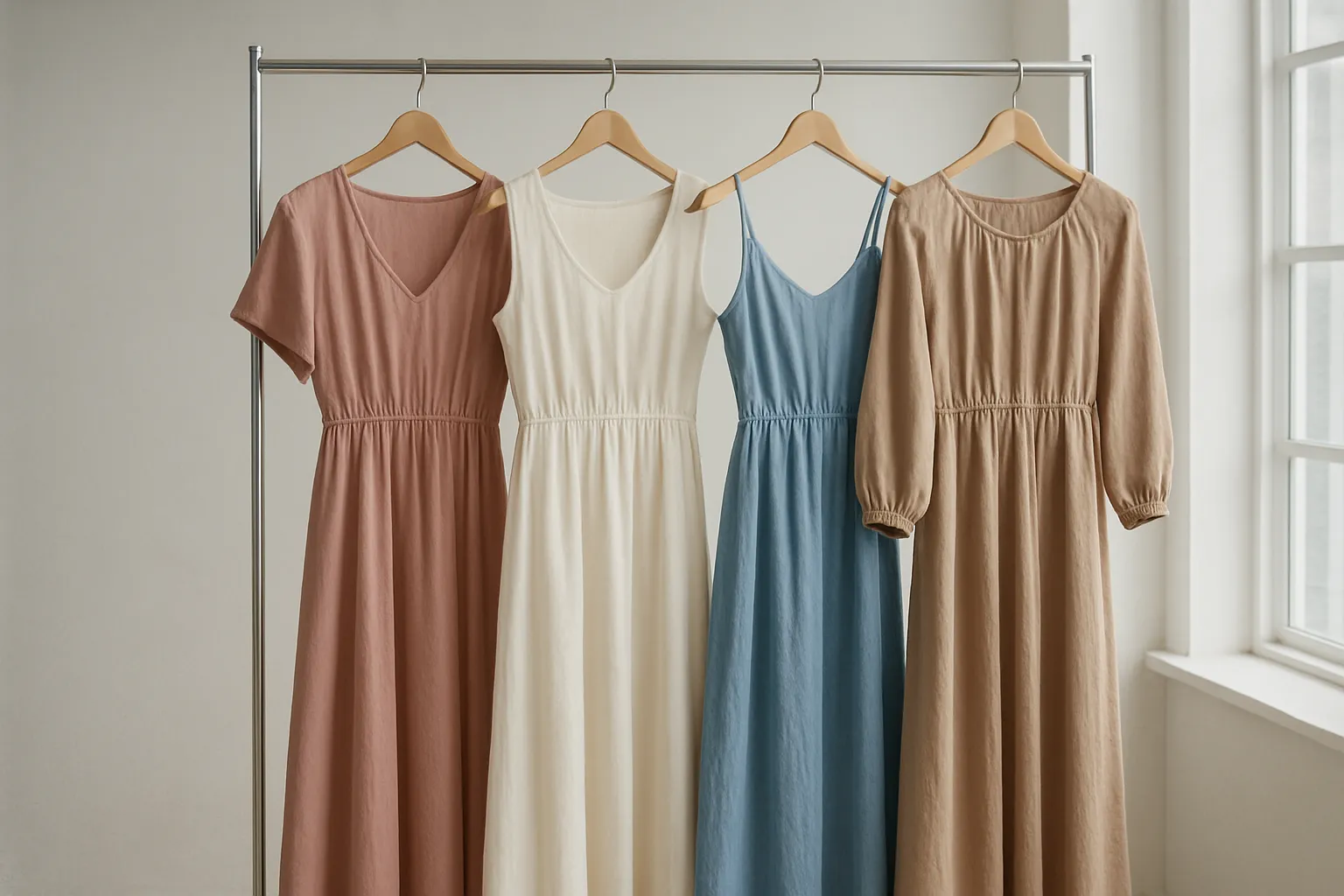
Maxi dresses are long, flowing garments that typically extend to the ankles or floor, offering both comfort and style. Defined by their relaxed fit and versatility, these dresses have become a staple in women’s fashion. They gained popularity in the late 1960s and early 1970s, symbolizing a shift towards more liberated and bohemian styles. Their evolution reflects changing social norms and fashion sensibilities, making them a fascinating subject for B2B analysis in the current market landscape.
Current Fashion Trends Influencing Maxi Dresses
The current fashion trends significantly shape the design and appeal of maxi dresses. Popular styles include vibrant floral patterns, geometric prints, and solid colors that cater to various consumer preferences. Seasonal variations also play a crucial role; for instance, lighter fabrics and pastel colors dominate spring and summer collections, while richer hues and heavier materials are favored in fall and winter. Retailers must stay attuned to these trends, as they influence purchasing decisions. Collaborating with fashion influencers and leveraging social media can enhance visibility and drive sales, ensuring that maxi dresses remain a sought-after item in women’s wardrobes. For a deeper dive into industry insights, you can refer to this industry reference.
Specifications and Features of Maxi Dresses
When sourcing maxi dresses, businesses should consider several specifications and features that can impact consumer satisfaction. Fabric types vary widely, from lightweight cotton and rayon to luxurious silk and chiffon. Quality is paramount, as consumers increasingly seek durable and comfortable options. Size and fit considerations are also essential. Offering a range of sizes, including plus sizes, can expand market reach. Additionally, design elements such as adjustable straps, elastic waistbands, and customizable lengths can enhance the appeal of maxi dresses, allowing retailers to cater to diverse body types and preferences. For sourcing options, check out Yuxuan Apparel for a variety of dresses.
Use Cases for Maxi Dresses in B2B
Maxi dresses present numerous retail opportunities across various segments. They are suitable for casual outings, beach vacations, and even formal events, making them a versatile choice for consumers. In my experience, understanding target demographics, such as young professionals, mothers, or fashion-forward individuals, can help businesses tailor their marketing strategies effectively. Event-specific marketing, such as promoting maxi dresses for summer festivals or weddings, can further boost sales. Retailers should consider creating themed collections that resonate with specific occasions to attract a broader audience.
Sourcing Maxi Dresses for Businesses
Identifying reliable suppliers is crucial for businesses looking to source maxi dresses. It is essential to evaluate potential suppliers based on their product quality, delivery times, and customer service. Attending trade shows and leveraging online marketplaces can help retailers connect with reputable manufacturers. Cost considerations and budgeting are also vital. Businesses must balance quality with affordability to maintain competitive pricing. Additionally, ethical sourcing practices, such as ensuring fair labor conditions and sustainable materials, are increasingly important to consumers and can enhance a brand’s reputation.
Comparing Maxi Dresses with Other Dress Styles
In the competitive fashion market, understanding how maxi dresses compare to other dress styles, such as midi and mini dresses, is essential. Maxi dresses offer a unique appeal due to their versatility and comfort, making them more suitable for a broader range of occasions compared to the more casual mini dress or the more formal midi dress. Market demand analysis indicates that maxi dresses often outperform other styles in terms of sales during specific seasons. This insight can guide retailers in inventory decisions and promotional strategies, ensuring they meet consumer demand effectively.
Implementation Strategies for Retailers
To successfully market maxi dresses, retailers should adopt effective merchandising techniques. This includes creating visually appealing displays that highlight the versatility of maxi dresses, showcasing how they can be styled for various occasions. The choice between online and offline sales channels can significantly impact sales performance. While brick-and-mortar stores allow for a tactile shopping experience, online platforms can reach a wider audience. A hybrid approach, utilizing both channels, may yield the best results. Inventory management is another critical aspect. Retailers should analyze sales data to forecast demand accurately, ensuring that they maintain optimal stock levels without overcommitting resources.
FAQs about Maxi Dresses in the B2B Market
Common buyer questions often revolve around sizing, fabric choices, and current trends. Retailers should be prepared to provide detailed information on these topics, as well as insights from industry experts to build credibility with potential buyers. Engaging with customers through social media and direct communication can also enhance trust and foster brand loyalty.
In conclusion, the market for maxi dresses presents a wealth of opportunities for B2B businesses. By understanding fashion trends, sourcing quality maxi dresses, and implementing effective marketing strategies, retailers can capitalize on this enduring style and meet the evolving needs of consumers.