
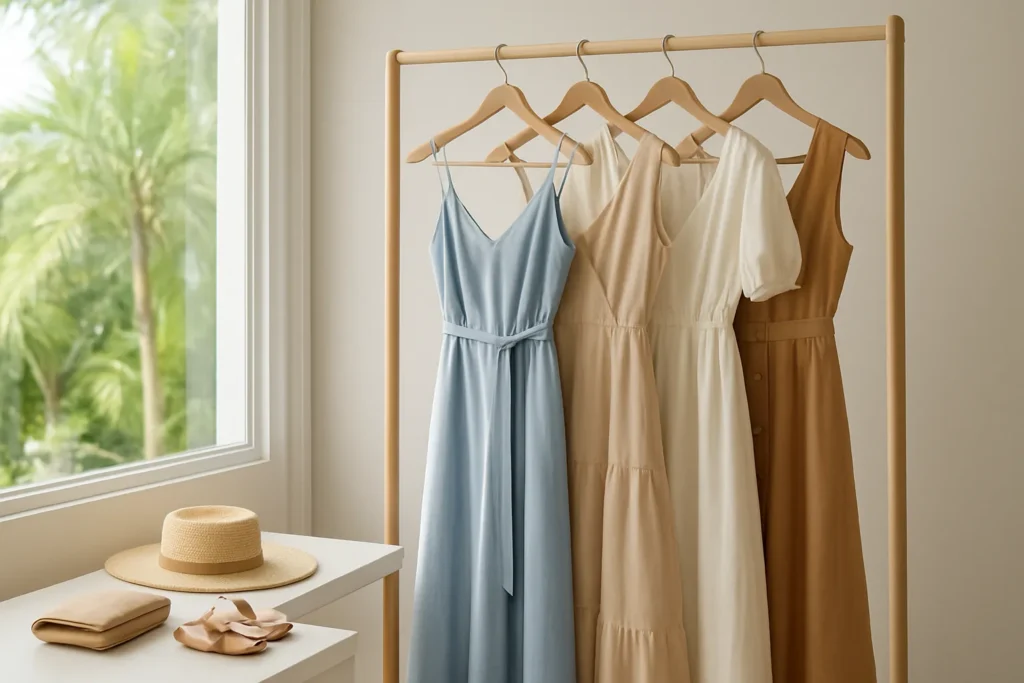
Building a Resort Wear Collection: Essential Tips for Stylish Dresses
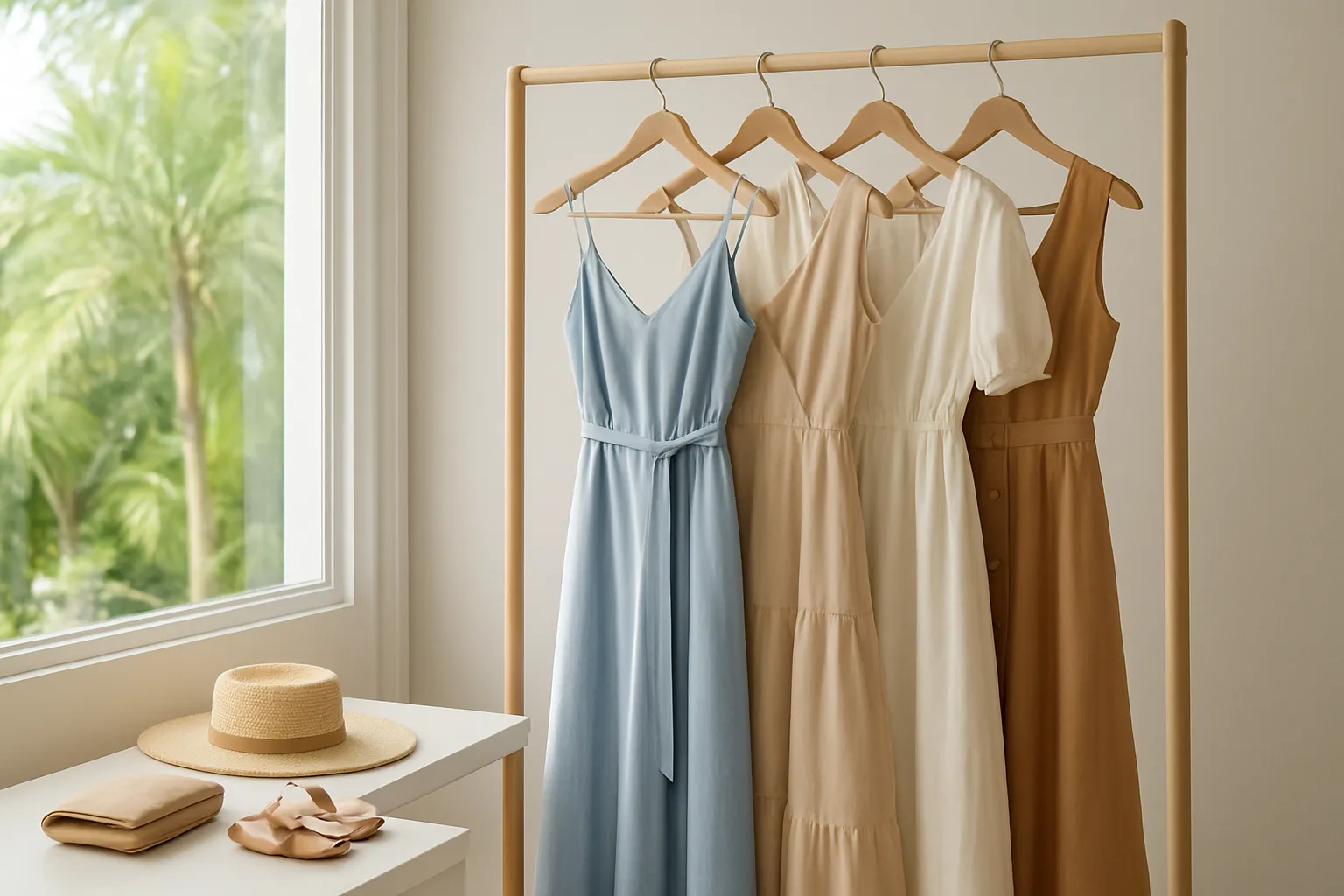
Resort wear represents a unique category of clothing tailored for leisure and vacation activities, particularly in warm weather locales. This fashion segment encompasses a broad range of garments that are not only stylish but also practical, focusing on the comfort and elegance desired by individuals enjoying their time away from home. Among the various options available, stylish dresses play a pivotal role in any resort wear collection. These dresses not only offer comfort but also capture the essence of relaxation and sophistication that characterizes resort life.
Key Specifications for Stylish Dresses
When curating a resort wear collection, B2B buyers need to focus on several critical specifications that define stylish dresses.
Fabric Choices
Fabric selection is crucial as it influences both the appeal and functionality of resort wear dresses. Lightweight and breathable materials like cotton, linen, and rayon, along with blends that include spandex for added stretch, are excellent choices. These fabrics enhance comfort in warm weather and allow for effortless movement, making them ideal for beach outings or casual dinners. For a wide range of options, I recommend checking out Yuxuan Apparel.
Design Elements
Stylish dresses in the resort wear category often feature vibrant colors, bold prints, and distinctive patterns that mirror the lively ambiance of vacation spots. Buyers should look for dresses adorned with ruffles, off-the-shoulder designs, or maxi lengths, as these elements can add a touch of elegance and flair. Versatility is also key—dresses that can seamlessly transition from day to night with the right accessories are particularly attractive.
Size and Fit Considerations
An inclusive size range is vital for appealing to a diverse audience. It’s also important to understand the target demographic’s fit preferences—whether they lean toward loose, flowing designs or more tailored silhouettes can significantly influence sourcing decisions.
Use Cases for Resort Wear Dresses
Recognizing the potential use cases for resort wear dresses can help buyers effectively tailor their collections to meet market demands.
Target Audience
The primary consumers of resort wear typically include vacationers, honeymooners, and attendees of destination weddings. By understanding the demographics of these groups—such as age, lifestyle, and purchasing behavior—buyers can make informed decisions about the types of dresses to include in their collections.
Seasonal Trends
While resort wear is often associated with spring and summer, it can also be relevant for tropical winter getaways. Keeping up with seasonal trends, such as popular color palettes and fabric innovations, helps ensure that the collection remains fresh and appealing. For further insights, I recommend checking this industry reference.
Occasion Suitability
Stylish dresses should cater to a variety of occasions, from casual beach days to formal evening events. Offering a diverse mix of dress styles that suit different activities can enhance the collection’s appeal and provide customers with versatile options.
Sourcing Stylish Dresses
Sourcing dresses for a resort wear collection involves several critical steps.
Finding Reliable Suppliers
Building relationships with trustworthy suppliers is essential for ensuring quality and timely delivery. Attending trade shows, utilizing online platforms, and networking within the fashion industry can help buyers identify reputable manufacturers.
Evaluating Quality and Price
Buyers must balance quality with cost-effectiveness. Conducting thorough quality checks and requesting samples can help assess workmanship and material integrity before placing bulk orders.
Ethical Sourcing Practices
More consumers are prioritizing brands that emphasize ethical sourcing. Buyers should consider suppliers that adhere to fair labor practices and utilize sustainable materials, as this can enhance brand reputation and foster customer loyalty.
Implementing a Resort Wear Collection
Once sourcing is complete, implementing the resort wear collection requires careful planning.
Inventory Management
Effective inventory management systems are crucial for tracking stock levels, sales trends, and reordering processes. Leveraging technology can streamline these operations and minimize the risk of overstock or stockouts.
Marketing Strategies
To promote the resort wear collection effectively, buyers should consider targeted marketing strategies that resonate with their audience. Social media campaigns, influencer partnerships, and engaging content showcasing the dresses in desirable settings can attract potential buyers.
Pricing Models
Establishing competitive pricing models that reflect the quality and uniqueness of the dresses is vital. Buyers should analyze market trends and competitor pricing to ensure their offerings are attractive while maintaining healthy profit margins.
Comparing Resort Wear Collections
To thrive in a competitive market, B2B buyers should regularly assess their resort wear collections against those of competitors.
Analyzing Competitor Offerings
Understanding what other brands offer can provide insights into market gaps and opportunities for differentiation. Buyers should evaluate competitors’ styles, pricing, and marketing tactics to identify areas for improvement.
Differentiation Strategies
Unique selling propositions (USPs) can help a collection stand out. This could involve exclusive designs, limited-edition releases, or collaborations with well-known designers.
Customer Feedback and Adaptation
Gathering customer feedback through surveys, reviews, and sales data can inform future collection decisions. Adapting to customer preferences and trends can boost satisfaction and drive repeat purchases.
Frequently Asked Questions
Common Buyer Concerns: Buyers frequently express concerns about inventory turnover and the risk of unsold stock. Implementing effective marketing strategies and understanding seasonal demand can alleviate these worries.
Tips for First-Time Buyers: First-time buyers should consider starting with a smaller, curated selection to test the market. Engaging with suppliers for their expertise can also yield valuable insights.
Trends to Watch in Resort Wear: Emerging trends in resort wear include eco-friendly fabrics, mixed prints, and multifunctional garments that can be styled in various ways. Staying informed about these trends is crucial for maintaining relevance in the market.
Conclusion
Building a successful resort wear collection centered on stylish dresses requires a comprehensive understanding of the market, consumer preferences, and effective sourcing strategies. By focusing on key specifications, identifying use cases, and implementing thoughtful marketing and inventory management practices, B2B buyers can create a compelling collection that resonates with their target audience. As the resort wear market continues to evolve, staying attuned to trends and customer feedback will be essential for long-term success.